What Should I Look for in a Kitchen Design When Building a New Home?
Building a new home is one of the biggest decisions you’ll ever make. And the kitchen? It’s the most important room in the house to get right.
When you’re buying an existing home, you work with what’s already there. But when you’re building new, you have a rare and powerful opportunity: you get to design the kitchen exactly the way you want it — from scratch.
The problem is, most new construction projects start with a builder’s standard package. And builder-grade kitchens are designed to be affordable — not designed for how you and your family actually live.
So what should you really be looking for? Here’s what the design team at Homestead Covered Bridge Kitchens & Design recommends for homeowners building new in Southwest New Hampshire and the greater Brattleboro area.
Layout Efficiency: The Work Triangle and Beyond
What is the best kitchen layout for a new home?
The answer starts with something called the work triangle — the path between your sink, stove, and refrigerator. When these three points are well-positioned, cooking flows naturally. When they’re not, you’ll feel it every single day.
But modern kitchen design has evolved beyond just the triangle. Today’s best layouts think in zones: a prep zone, a cooking zone, a cleanup zone, and a storage zone. Each should be logically placed and easy to move between — especially when more than one person is in the kitchen at the same time.
The National Kitchen & Bath Association (NKBA.org) sets industry standards for kitchen planning and recommends specific clearance and traffic flow guidelines that professional designers follow. Builder-grade layouts often skip these details entirely.
Smart Storage From Day One
How much storage does a new kitchen really need?
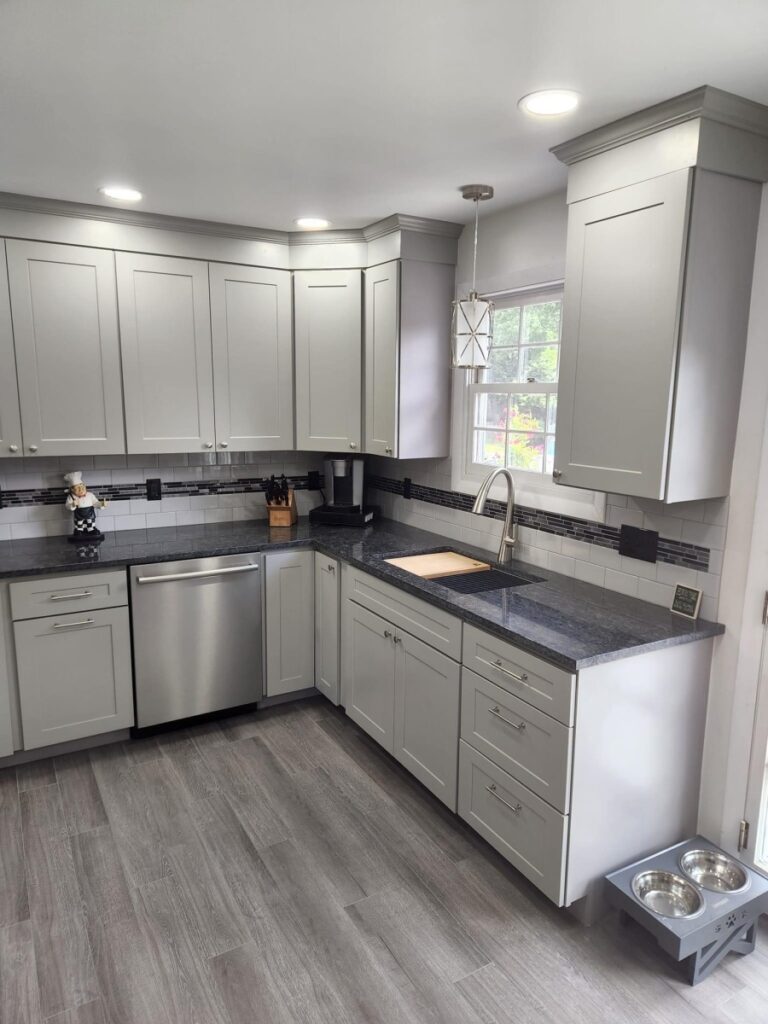
More than you think — and smarter than you might expect. Builder-grade cabinets tend to be basic: standard boxes with fixed shelves. A custom or semi-custom approach gives you pull-out shelves, drawer organizers, dedicated appliance storage, a real pantry solution, and upper cabinets that actually reach the ceiling.
Plan storage around how you actually cook. Do you bake? You need a deep drawer for sheet pans. Do you have a collection of small appliances? Build a garage for them so your counters stay clear. Think through these questions before the cabinets are ordered — not after they’re installed.
Take a look at our cabinetry options to see what’s possible beyond the builder’s standard package.
Future-Proofing Your Kitchen
What does it mean to future-proof a kitchen in a new home?
It means designing a space that works for you today — and still works for you 10, 20, or 30 years from now. That includes thinking about aging-in-place features like wider walkways, comfortable counter heights, and easy-to-grip hardware.
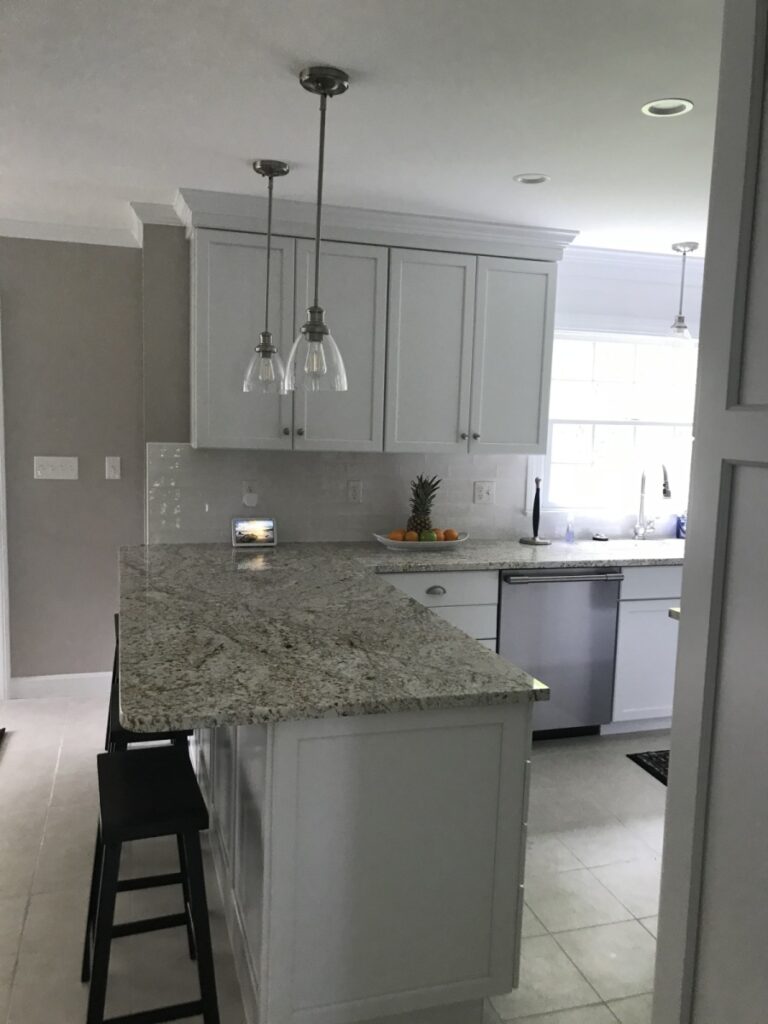
It also means a flexible design. An island that works as a prep space now might become a homework station, a breakfast bar, or an entertaining hub as your family grows and changes. Build in that flexibility from the start.
A Lighting Plan Built Into the Design
Why does kitchen lighting need to be planned during new construction?
Because once the walls are closed, it’s expensive to change. New construction is your one shot to wire for exactly the lighting you want — and get it right.
A great kitchen lighting plan has three layers: ambient lighting for the overall room, task lighting (especially under cabinets) for where you prep and cook, and accent lighting to highlight design features. Recessed cans alone are not enough. Plan for pendants over the island, under-cabinet lighting, and dimmer switches throughout.
Quality Materials vs. Builder-Grade Defaults
Is it worth upgrading from builder-grade kitchen materials in a new home?
Almost always, yes — especially for the things you touch and use every day. Cabinets and countertops are the two places where the difference between builder-grade and quality materials is most felt over time.
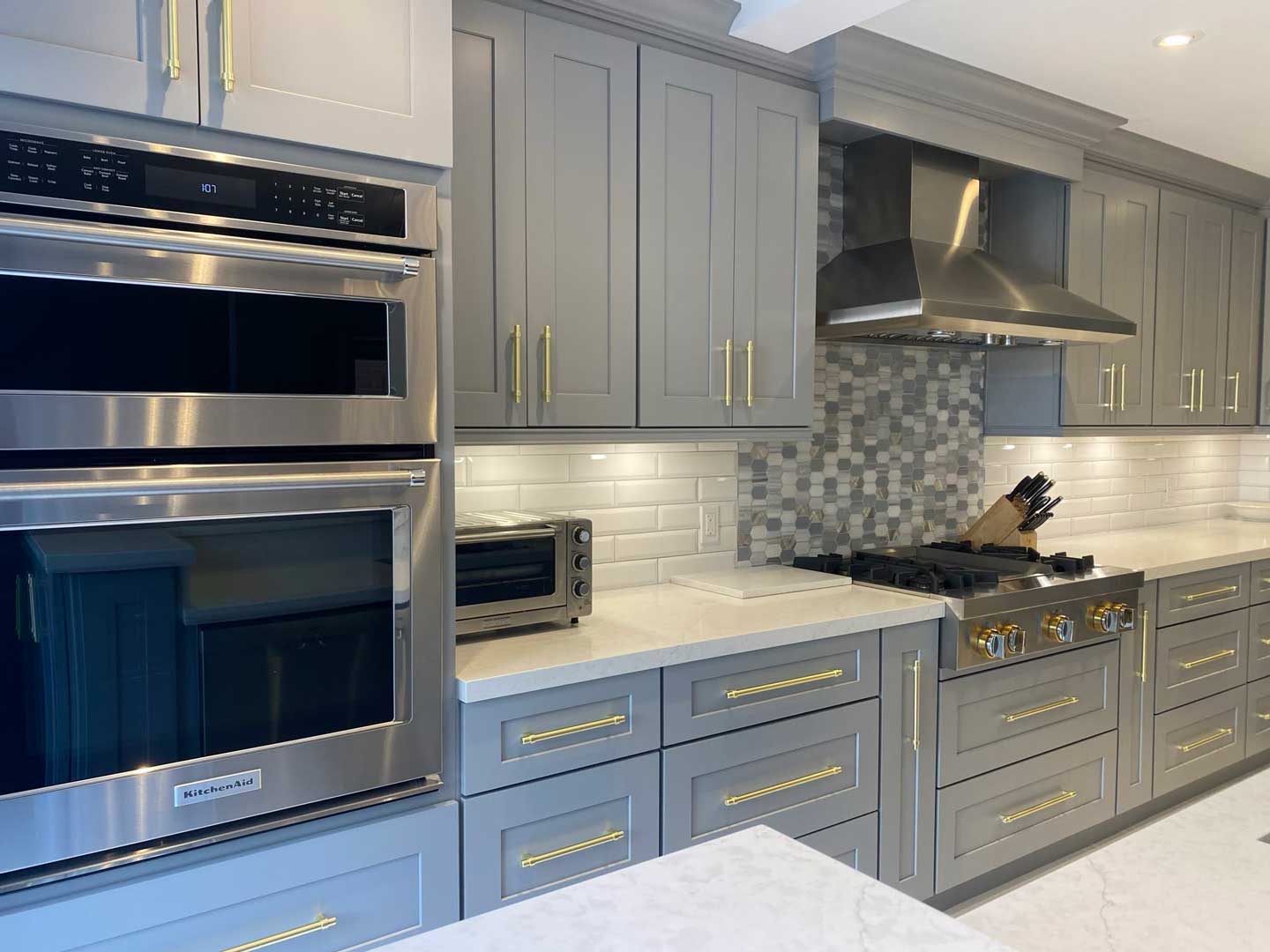
Builder-grade cabinets often use particleboard construction with thin veneers. Quality cabinetry uses solid or plywood boxes, soft-close hinges, and full-extension drawer glides. You’ll notice the difference every time you open a drawer.
Browse our countertop options and hardware selections to see the quality we bring to every project.
How the Kitchen Connects to the Rest of Your Home
How should a new kitchen connect to the rest of the house?
The kitchen shouldn’t feel like an afterthought — it should flow naturally into adjacent spaces. An open floor plan connecting the kitchen to the dining area and living room is popular for good reason: it keeps the cook connected to the family while meals are being made.
Also think about adjacency to the mudroom (great for New Hampshire winters!), proximity to the garage for unloading groceries, and how natural light from windows and doors affects the space throughout the day.
Plumbing and Electrical Rough-In Decisions
What plumbing and electrical decisions should I make before my new kitchen is built?
These are the decisions that are easy to make during construction — and expensive to change later. Where does the island sink go? Will you want a pot filler above the stove? Are there enough outlets on the island? Is there dedicated wiring for high-draw appliances like a double oven or induction cooktop?
Don’t leave these decisions to the general contractor. A kitchen designer should be involved before rough-in begins.
New Hampshire Climate Considerations
Are there special things to consider when designing a kitchen in New Hampshire?
Yes — and they’re easy to overlook if your designer isn’t local. New Hampshire winters are long and serious. A kitchen near or adjacent to a mudroom makes a huge difference for families coming in from the cold, snowy boots and all.
Heating zones matter too. Kitchens on exterior walls need proper insulation and well-placed heating vents to stay comfortable year-round. And if you’re incorporating large windows for natural light (a beautiful choice in New England), make sure they’re energy-efficient units.
New Hampshire has adopted the 2018 International Energy Conservation Code for new residential construction. You can learn more about NH’s energy code requirements at the NH Department of Energy — and our team designs with these standards in mind from day one.
Custom Design vs. Builder Defaults: What’s the Difference?
Builder-grade kitchens are designed to pass inspection and appeal to the broadest possible buyer. They’re not designed for you specifically.
A custom kitchen design starts with how you live. It asks: How many people cook at once? Do you entertain? Do you have young kids? Do you work from home? The answers shape every decision — from the layout to the cabinet configuration to the countertop material.
That’s exactly what our team does. See our kitchen design gallery for real examples of custom kitchens we’ve built for New Hampshire and Vermont homeowners — and then meet the team who makes it happen.
Your New Home Deserves a Kitchen That Was Designed for You
New construction is a once-in-a-lifetime chance to get your kitchen exactly right. Don’t leave that decision to a builder’s standard package. Work with a local design team that knows New Hampshire homes, New Hampshire weather, and what New Hampshire families actually need.
At Homestead Covered Bridge Kitchens & Design, we partner with homeowners early in the new construction process — before rough-in, before framing decisions are locked in — so you end up with a kitchen that’s truly built for your life.
Ready to design the kitchen your new home deserves? Visit our contact page to fill out a form and schedule a first-time meeting with our design team. Let’s build something great together.
Resources & Further Reading
NKBA Kitchen Planning Guidelines — National Kitchen & Bath Association industry standards for kitchen design
NH Department of Energy — Energy Codes — New Hampshire residential energy code requirements for new construction
NH Division of Fire Safety — State Building Codes — NH building code standards that apply to all new residential construction
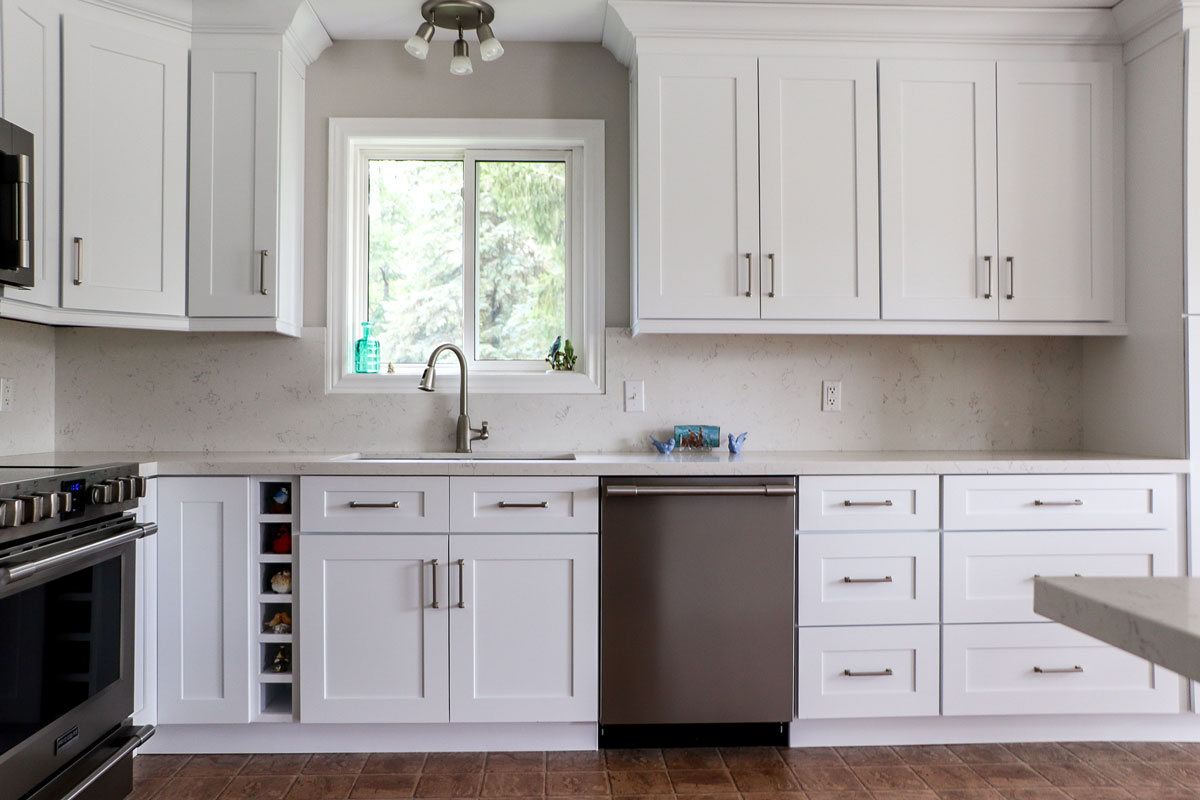
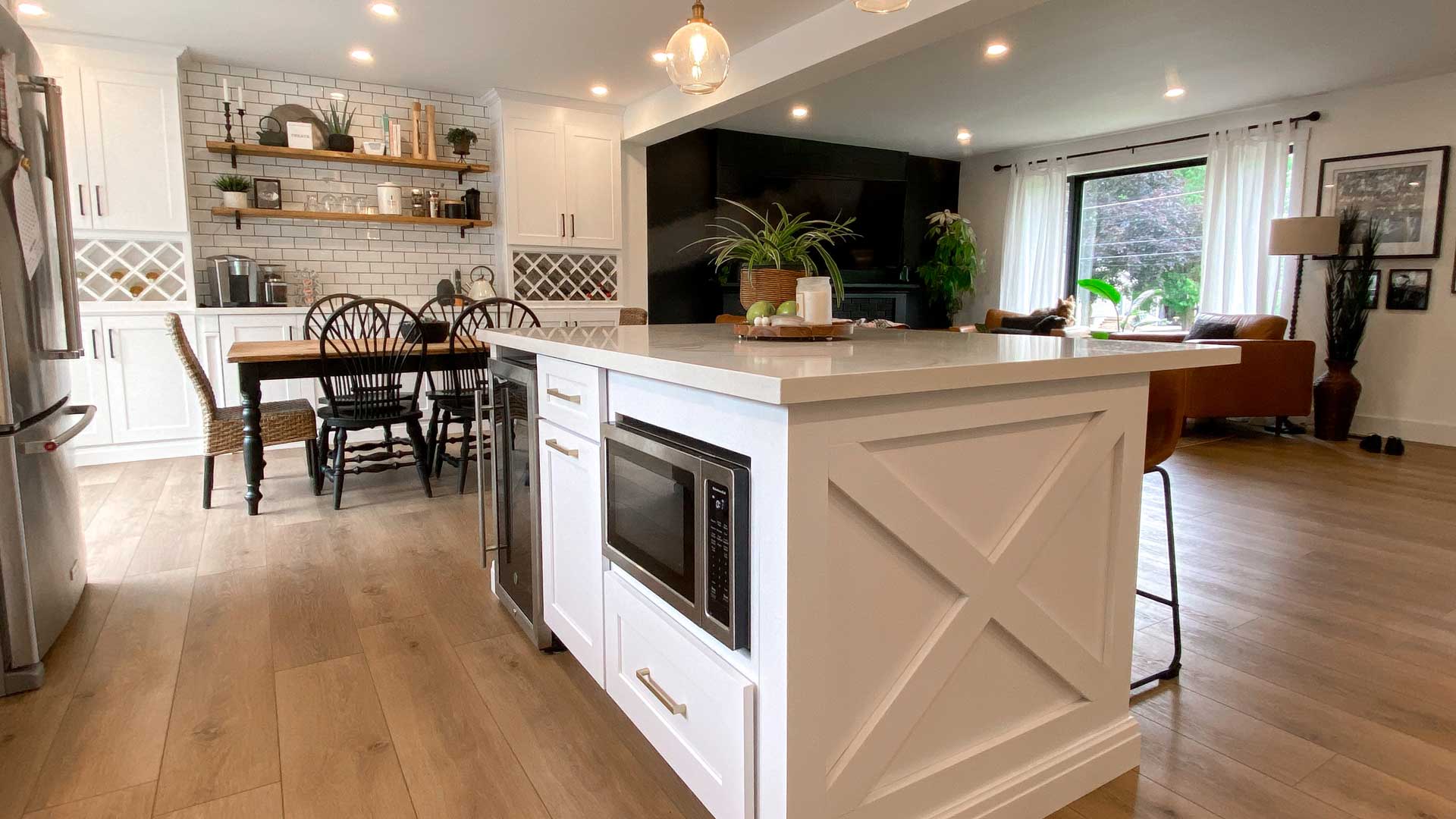
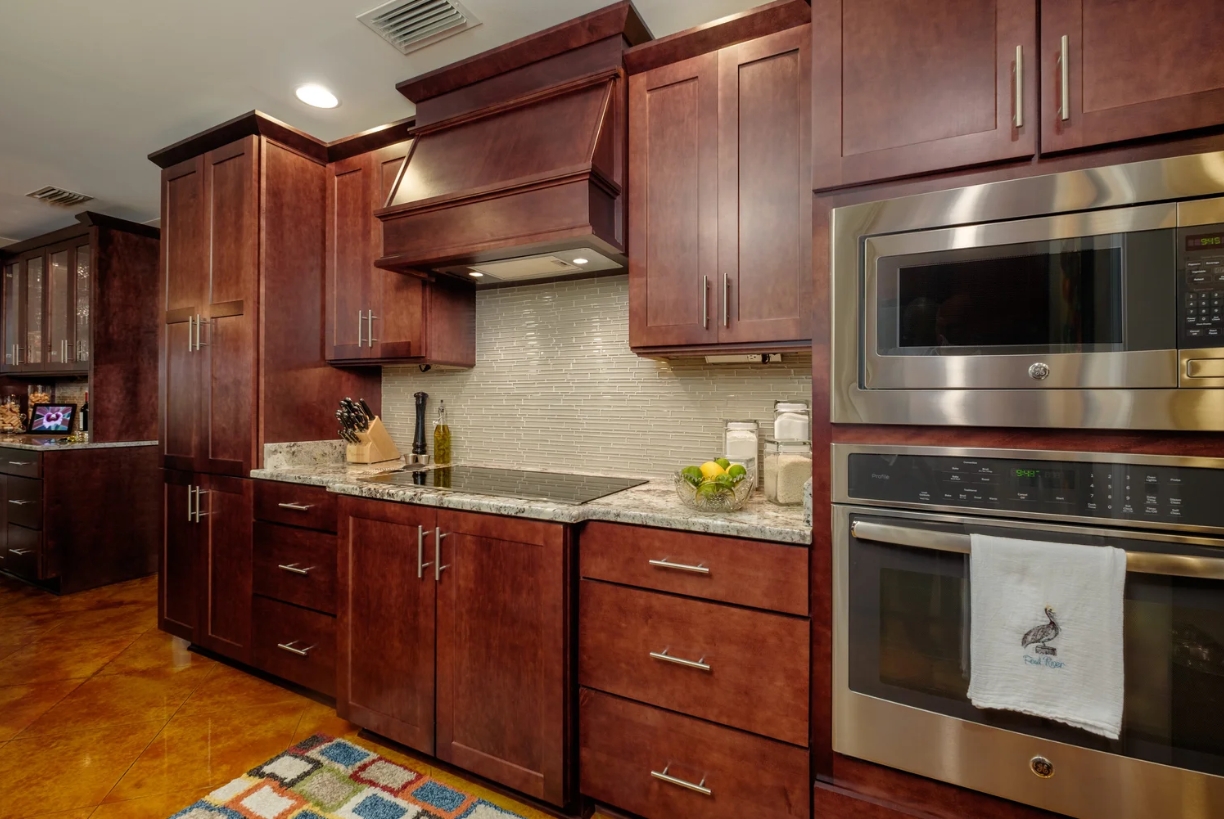
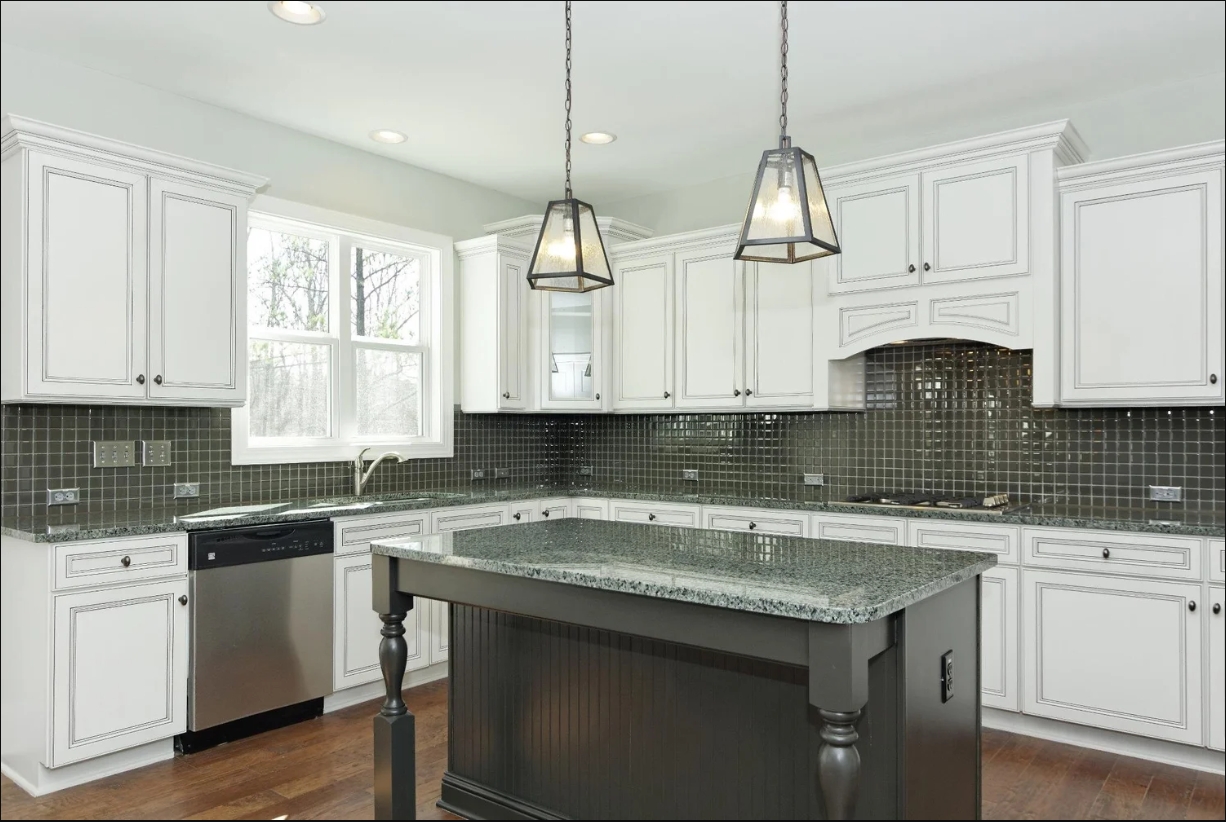
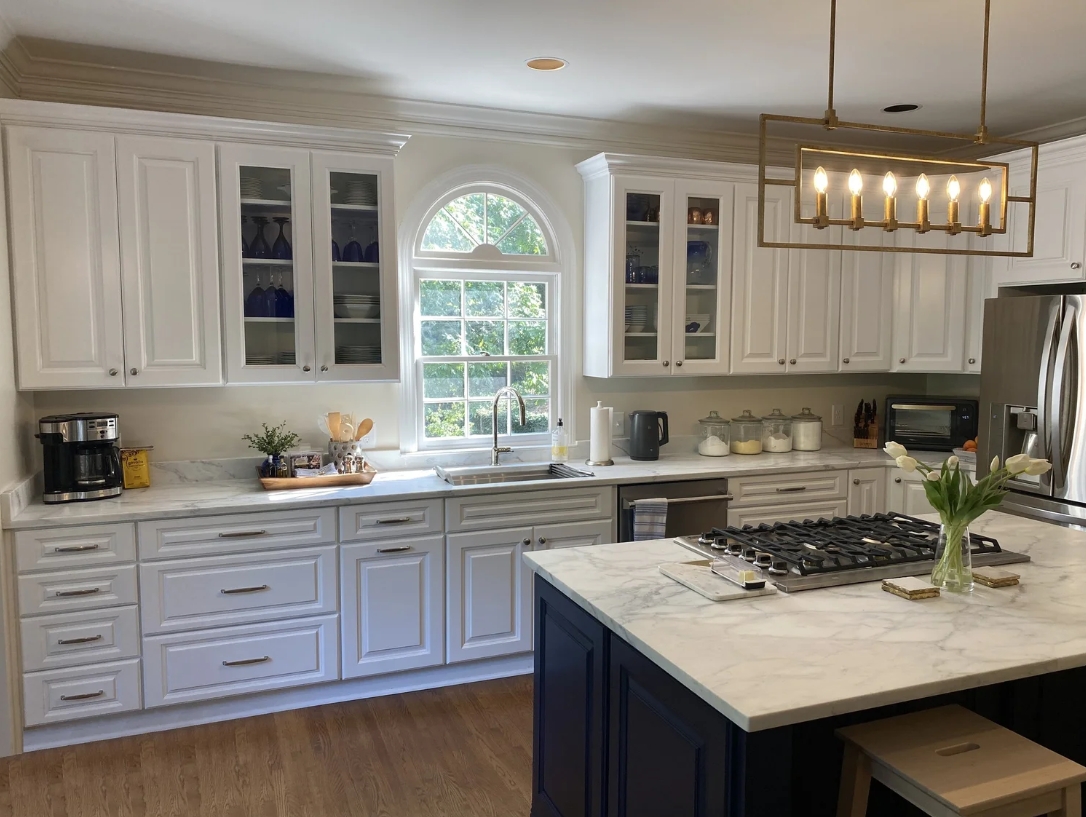
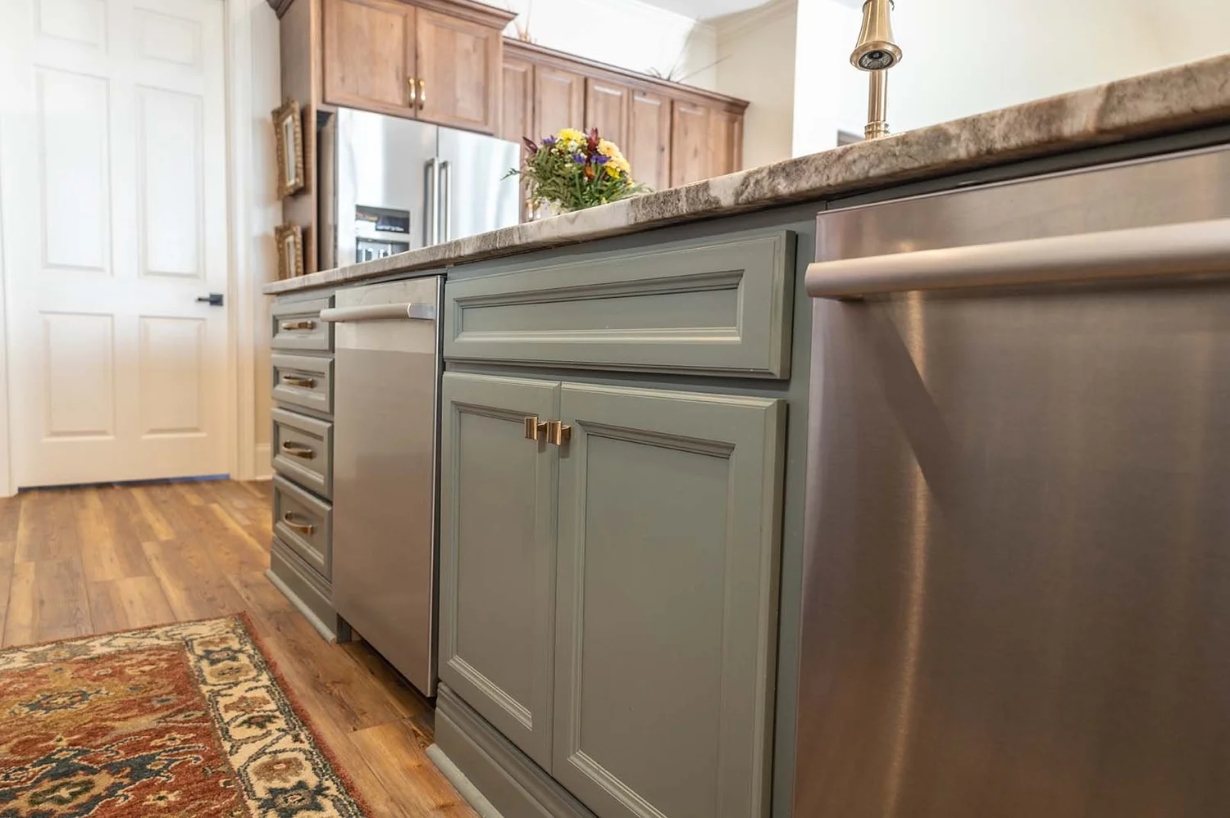
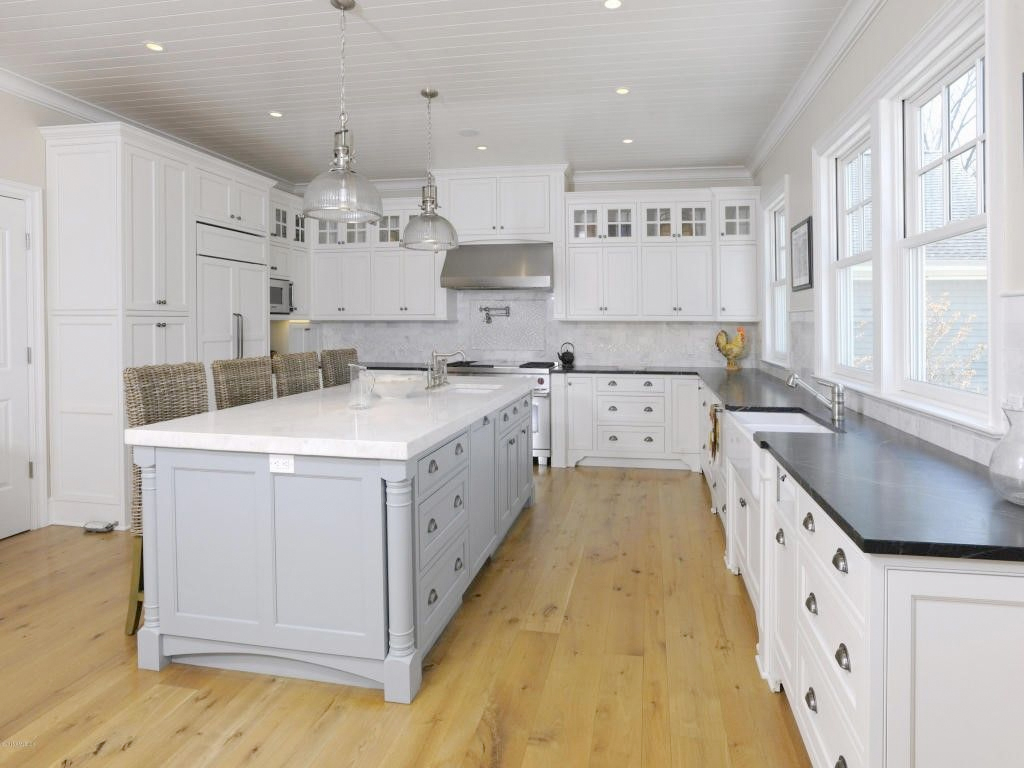
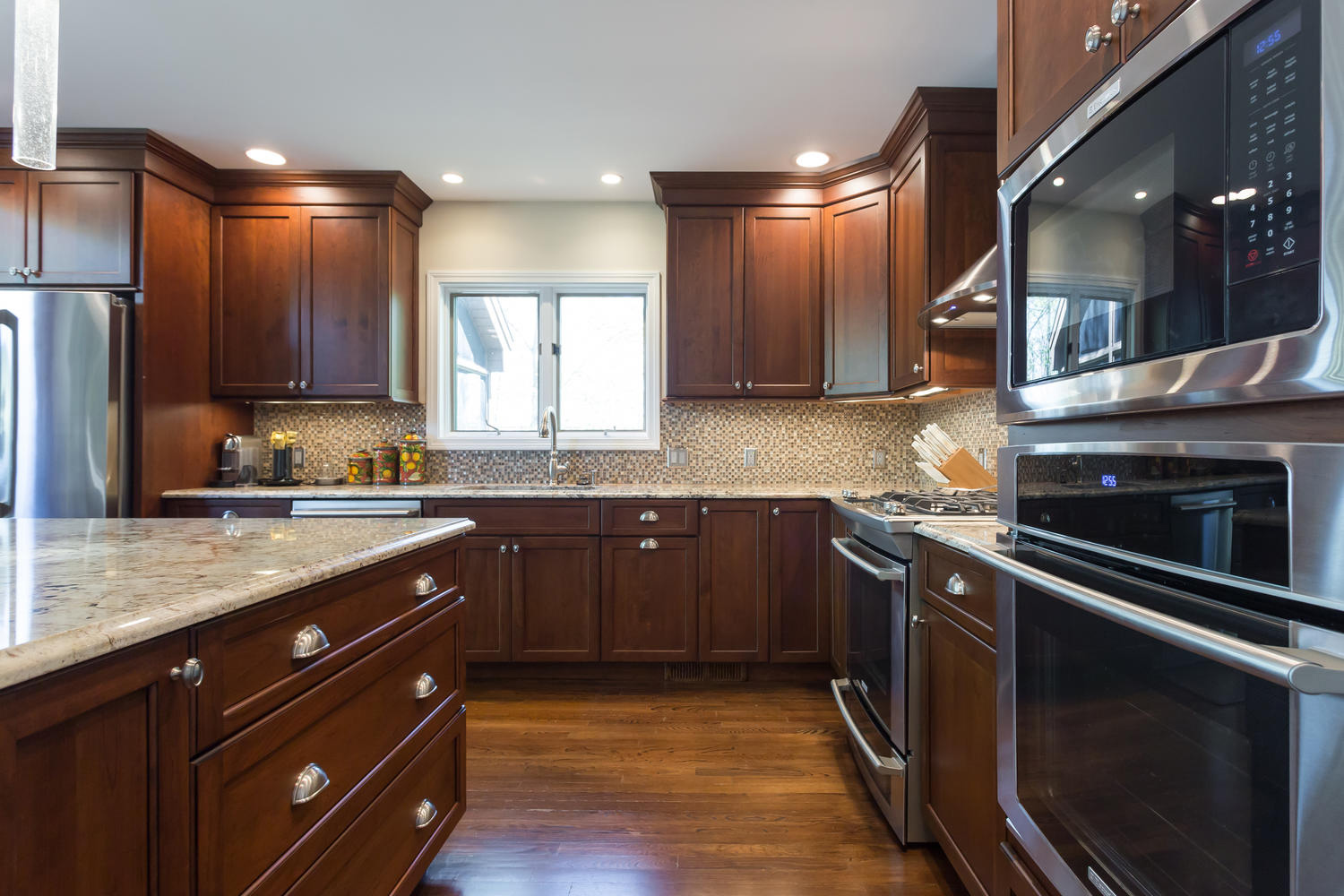
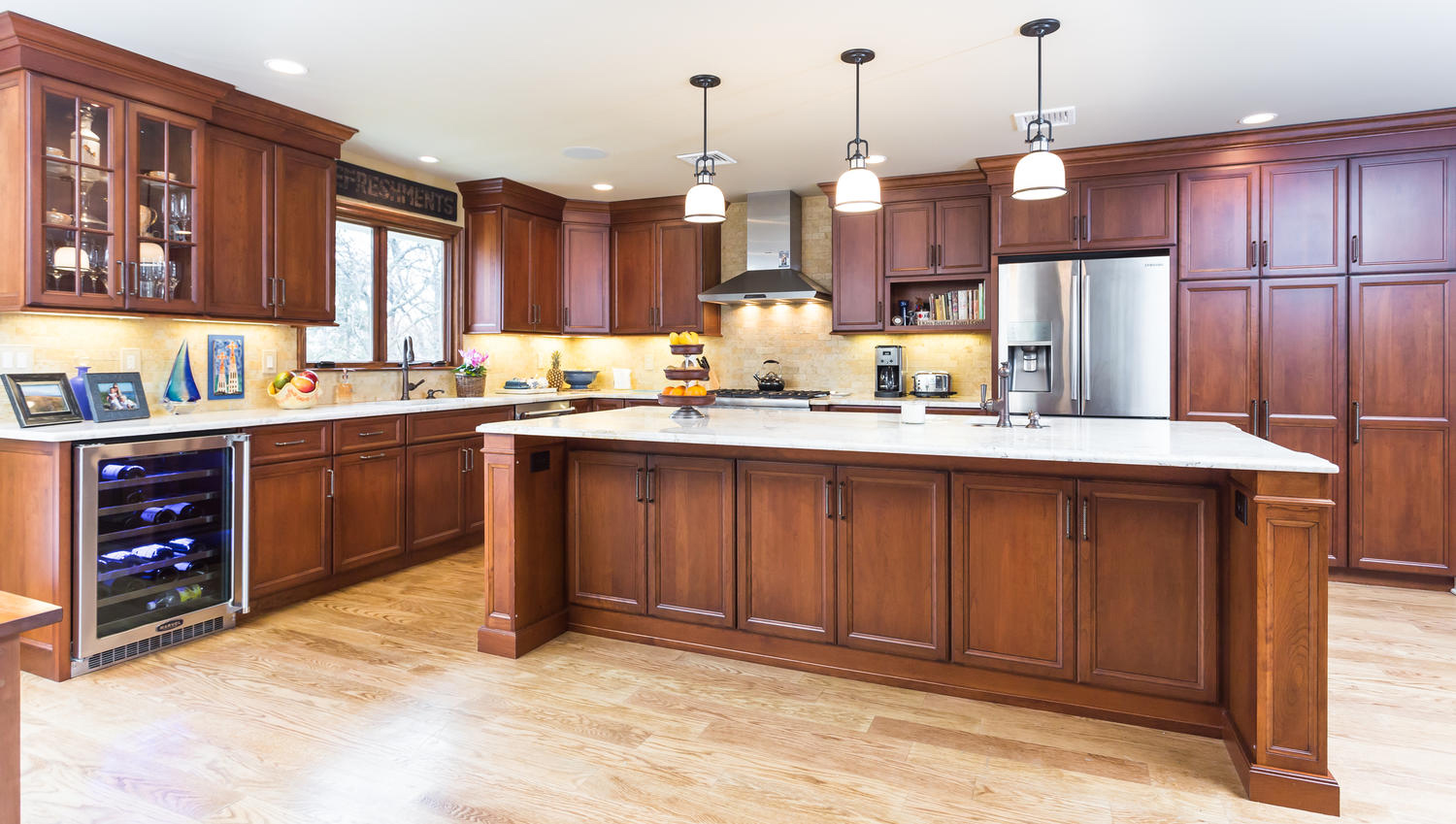
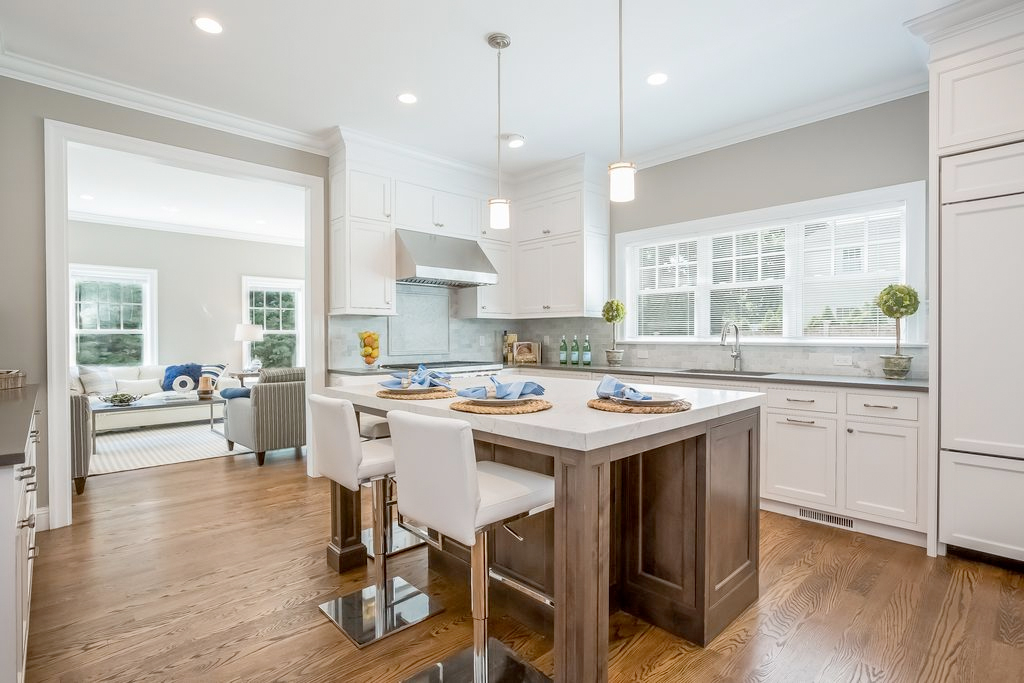
Explore these expertly designed kitchens, from rustic charm to modern elegance
They communicate extremely well, so I know exactly when to expect them to show up and complete the work to the schedule I was given.
— Mark L. (DA Brothers client)